Are We Designing Cities for Humans or for Machines? Architecture in the Age of AI

Are We Designing Cities for Humans or for Machines? Architecture in the Age of AI
In 2025, architecture stands at a critical crossroads.
Cities are growing smarter, buildings are becoming more automated, and infrastructure is increasingly designed to serve machines, algorithms, and data flows.
This raises a fundamental question architects can no longer ignore:
Are we still designing cities for people — or are we designing them for machines?
The Shift No One Talks About
Historically, architecture has been centered around human needs:
-
Comfort
-
Proportion
-
Social interaction
-
Movement and perception
But today, some of the most influential buildings in North America are designed primarily for:
-
Servers
-
Sensors
-
Autonomous systems
-
AI-driven processes
Human presence is often secondary.
This shift is subtle, but profound.
Architecture Optimized for Machines
Many contemporary buildings prioritize:
-
Constant internal temperatures
-
Controlled lighting independent of daylight
-
Restricted access and security layers
-
Automated maintenance and monitoring
Data centers, logistics hubs, automated warehouses, and smart infrastructure nodes are designed to function without people, or with minimal human interaction.
Architecturally, this creates:
-
Massive, opaque volumes
-
Windowless façades
-
Defensive aesthetics
-
Machine-scale logic
Efficiency replaces experience.
Smart Cities or Sensor Cities?
Smart city technology promises:
-
Traffic optimization
-
Energy efficiency
-
Predictive maintenance
-
Enhanced security
But these systems also reshape architecture and urban space.
Public spaces are increasingly:
-
Monitored
-
Quantified
-
Optimized for flow, not gathering
-
Designed for surveillance compatibility
The question becomes:
Are cities becoming more livable — or simply more manageable?

Human Scale vs. Machine Scale
Humans experience architecture through:
-
Light and shadow
-
Texture and sound
-
Distance and proximity
-
Social encounters
Machines experience architecture through:
-
Data throughput
-
Environmental stability
-
Structural capacity
-
Network connectivity
These scales are not the same — and often conflict.
When buildings are designed primarily for machines, cities risk becoming:
-
Less spontaneous
-
Less social
-
Less emotionally engaging
Architecture may perform better — but feel worse.
The Risk of Losing Architectural Meaning
When performance metrics dominate design, architecture risks becoming:
-
Neutral
-
Generic
-
Invisible
If buildings only respond to algorithms, they stop responding to culture, memory, and identity.
This is one reason many architects are now questioning:
-
Fully automated environments
-
Excessive smart systems
-
Architecture that removes friction at the cost of humanity
Not all inefficiency is bad.
Sometimes friction is what makes spaces meaningful.
A New Balance: Designing for Humans and Machines
The future is not about rejecting technology — but about rebalancing priorities.
The most forward-thinking projects in North America are now asking:
-
How can AI enhance human experience instead of replacing it?
-
Can automation support community rather than erase it?
-
Can architecture remain emotional in a data-driven world?
This leads to hybrid design approaches:
-
Smart systems embedded invisibly
-
Human-centered public spaces
-
Technology that adapts to people, not the other way around
Why This Topic Is Trending in 2025
This question resonates because it connects:
-
Architecture and ethics
-
Technology and power
-
Urban design and social life
-
AI and cultural identity
It sparks debate — and debate drives engagement.
Readers don’t just consume this content; they respond to it.
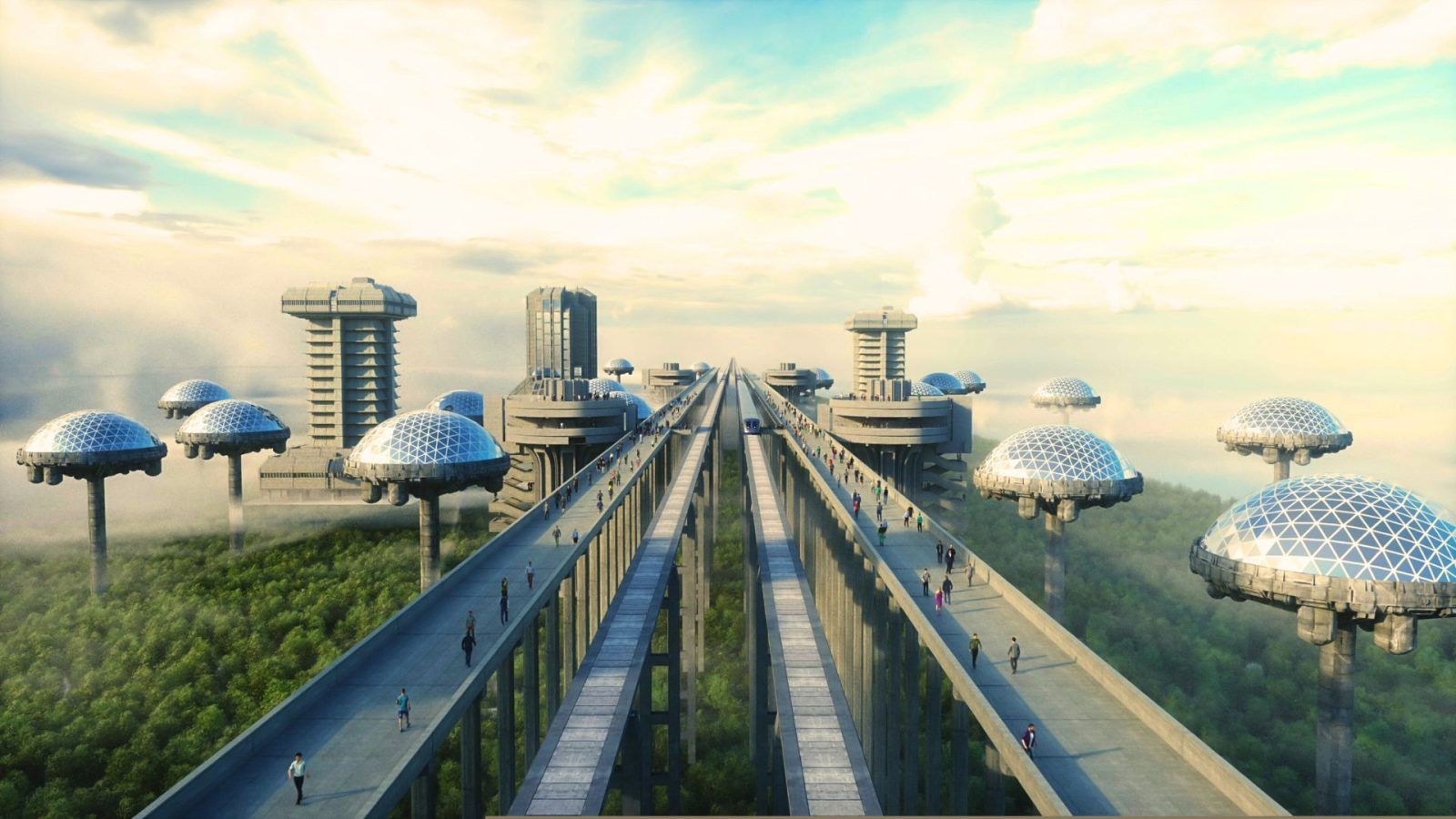
What Architects Must Decide Next
The next decade will define whether architecture becomes:
-
A background system for machines
or -
A meaningful environment for human life
The choices made today will shape cities not just technologically — but emotionally.
Conclusion
Architecture has always reflected who we design for.
In the age of AI, that reflection is becoming unclear.
If cities are designed only for efficiency, we risk losing what made them cities in the first place.
The challenge ahead is not technical —
it is deeply architectural and profoundly human.
#FutureCities #ArchitectureAndAI
#SmartCities #HumanCenteredDesign
#UrbanDesign #ArchitectureDebate
#AIandArchitecture #ArchitectureBlog


Comentarios
Publicar un comentario