From Dead Malls to Housing: How Architecture Is Rewriting the American Suburb
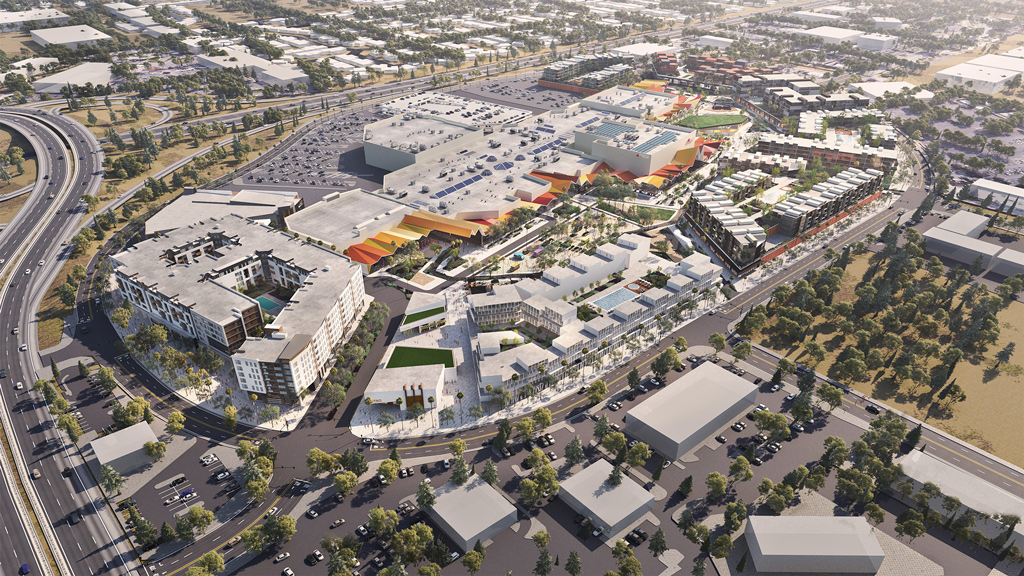
Across North America, a quiet architectural revolution is underway.
Shopping malls—once the heart of suburban life—are dying. And in their place, architects are building something entirely different: housing, walkable districts, and mixed-use communities.
In 2025, the transformation of abandoned malls into residential and mixed-use developments has become one of the most urgent and influential architectural trends in the United States and Canada.
This is not nostalgia.
This is survival—urban, social, and architectural.
The Collapse of the Mall Era
For decades, malls represented:
-
Consumer culture
-
Suburban growth
-
Automobile-centered planning
But today, e-commerce, changing lifestyles, and economic shifts have left hundreds of malls abandoned or underused.
In the U.S. alone:
-
Hundreds of malls are classified as “dead” or “dying”
-
Massive parking lots sit empty
-
Prime land remains locked in obsolete zoning
Architecturally, these sites are no longer viable as retail—but they are extremely valuable as urban land.

Why Malls Are Becoming Housing
The housing crisis in North America has forced cities and developers to rethink everything.
Dead malls offer:
-
Large parcels of land
-
Existing infrastructure
-
Proximity to suburbs and highways
-
Potential for density without new sprawl
Instead of demolishing and starting from scratch, architects are now leading adaptive reuse strategies that transform these spaces into:
-
Apartments
-
Townhouses
-
Senior housing
-
Mixed-use neighborhoods
This is architecture as urban repair.
Adaptive Reuse at a Massive Scale
Converting a mall is not a small intervention—it’s a city-scale operation.
Architectural strategies include:
-
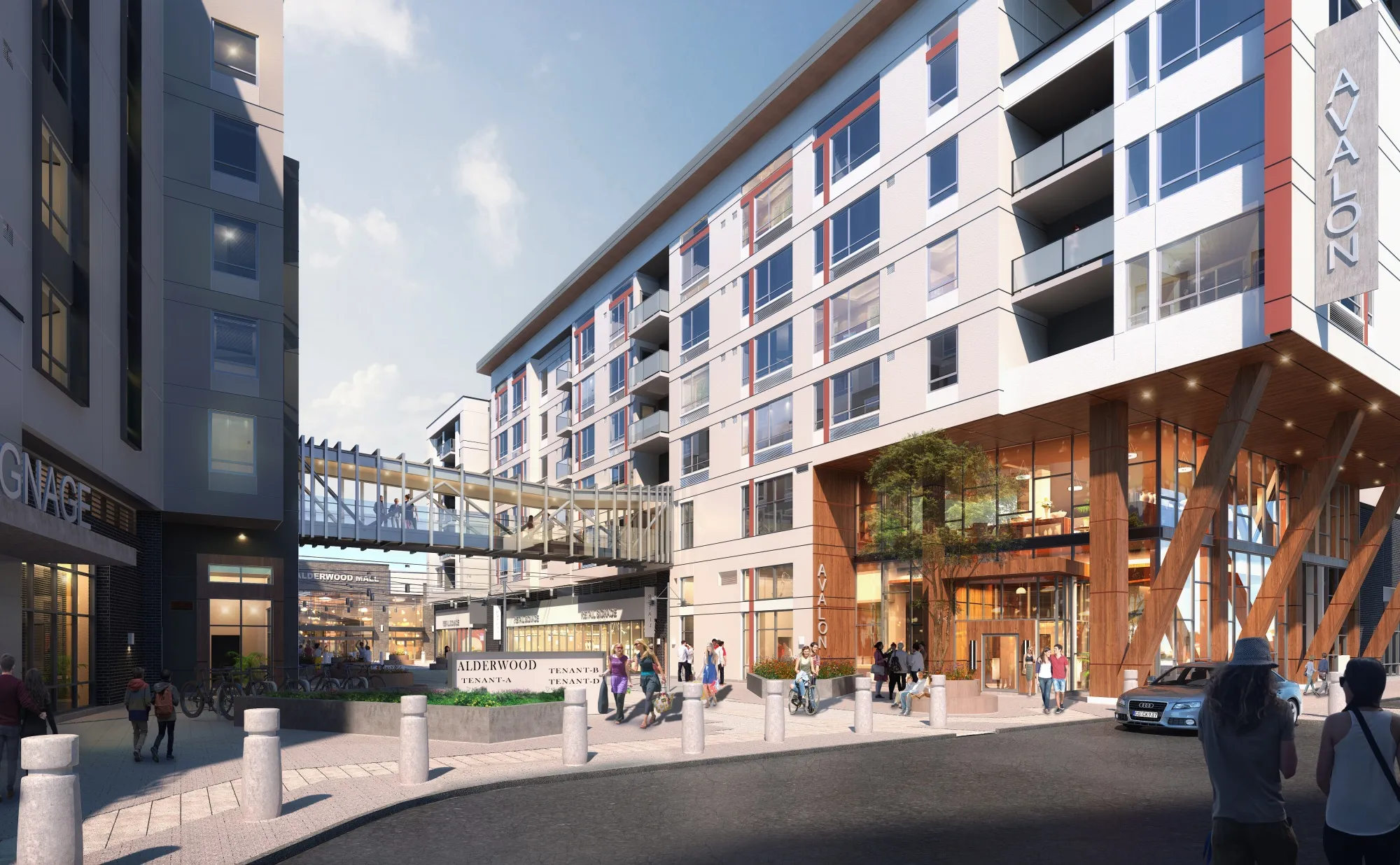
Cutting atriums into residential courtyards
-
Replacing anchor stores with housing blocks
-
Transforming parking lots into streets and plazas
-
Introducing human-scale streets where cars once dominated
The challenge is turning spaces designed for consumption into spaces designed for living.
From Car-Centered to Human-Centered Design
Malls were built for cars.
Housing is built for people.
This shift forces a complete redesign of:
-
Circulation
-
Scale
-
Public space
-
Light and ventilation
Architects are now prioritizing:
-
Walkability
-
Mixed-use density
-
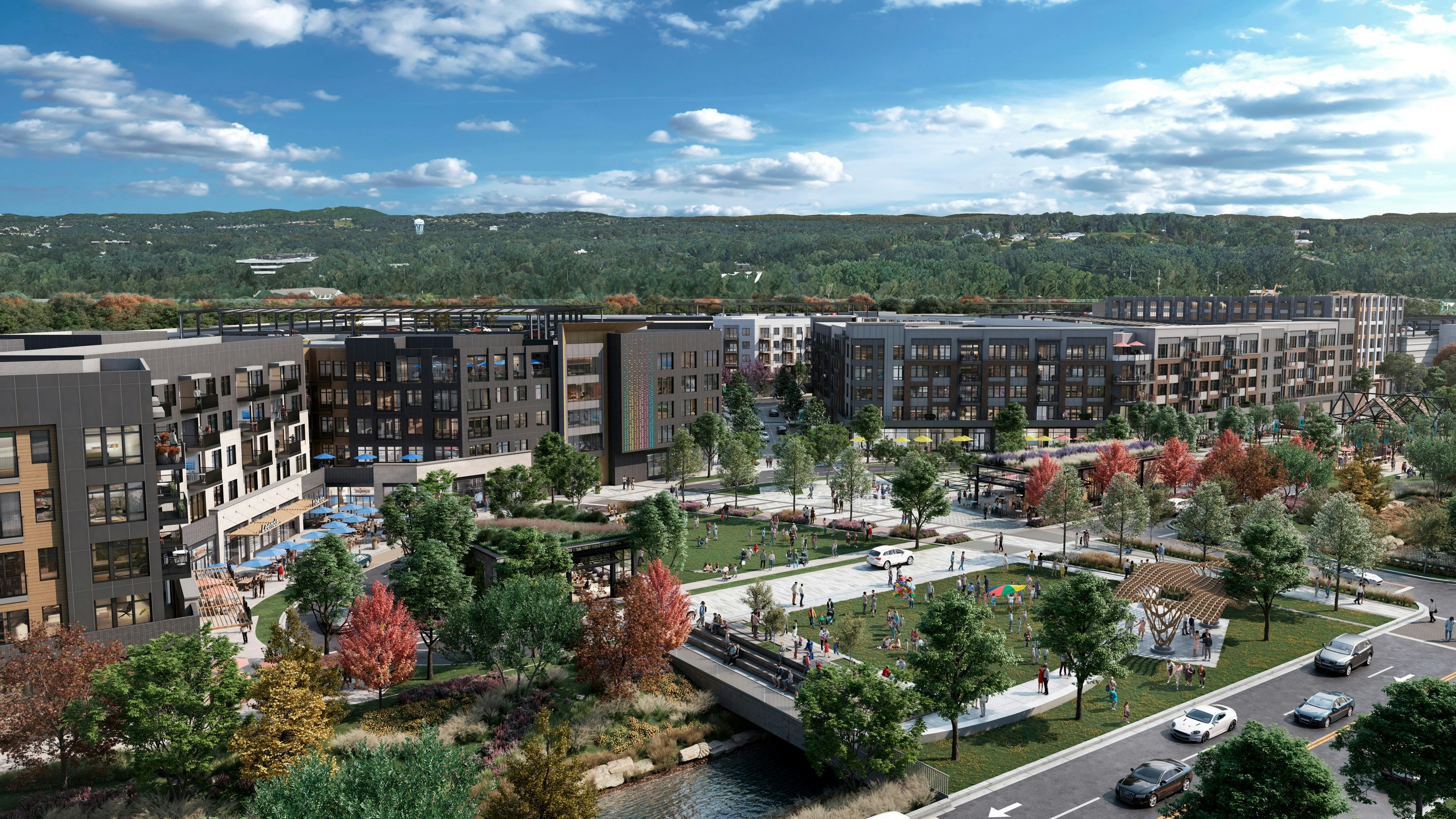
Public green spaces
-
Community interaction
In many projects, former malls are becoming 15-minute neighborhoods—a concept gaining strong traction across North America.
Environmental and Economic Benefits
Reusing malls instead of demolishing them:
-
Reduces construction waste
-
Preserves embodied carbon
-
Accelerates project timelines
-
Lowers infrastructure costs
From an architectural sustainability standpoint, mall-to-housing conversions often outperform new greenfield developments.
In 2025, many cities are actively incentivizing adaptive reuse as a climate strategy.
Architectural Identity: Erasing or Reinterpreting the Mall
A key design question emerges:
Should the mall disappear completely—or leave traces of its past?
Some architects choose to:
-
Completely erase the retail identity
Others intentionally:
-
Expose former structures
-
Reinterpret atriums as courtyards
-
Preserve fragments as memory layers
This creates a powerful architectural narrative:
spaces evolve, but history remains visible.
Why This Topic Is Exploding Right Now
This trend resonates because it connects:
-
Architecture and housing policy
-
Urban decay and renewal
-
Sustainability and reuse
-
Suburban transformation
It speaks to real people facing real problems—not abstract design theory.
That makes it highly shareable, discussable, and searchable.
The Future of Suburban Architecture
The decline of malls signals the end of one urban model—and the birth of another.
Architects are no longer designing monuments to consumption.
They are designing frameworks for living.
In 2025, the most important architectural projects in North America are not skyscrapers—but the quiet reinvention of forgotten places.
Conclusion
Dead malls are not failures.
They are opportunities.
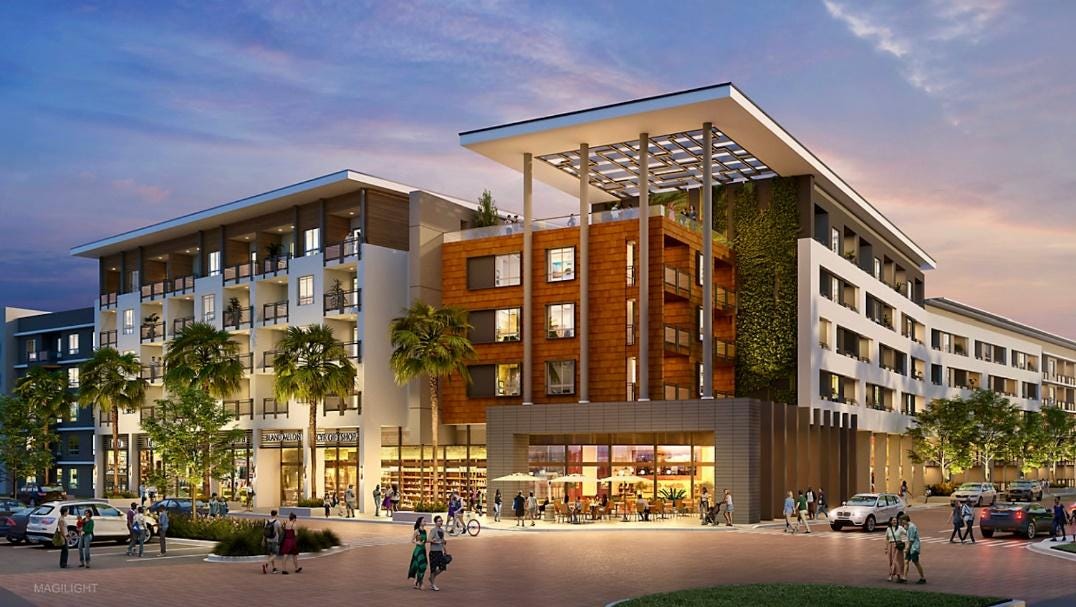
Through adaptive reuse, architecture is turning abandoned retail landscapes into housing, community, and life.
This transformation may define the future of the American suburb more than any new megaproject.
#DeadMalls #AdaptiveReuse
#HousingCrisis #UrbanDesign
#FutureOfSuburbs #ArchitectureTrends
#MixedUseDevelopment #ArchitectureBlog


Comentarios
Publicar un comentario